
Veneer vs. Natural Stone: What’s Best for Interior Design?

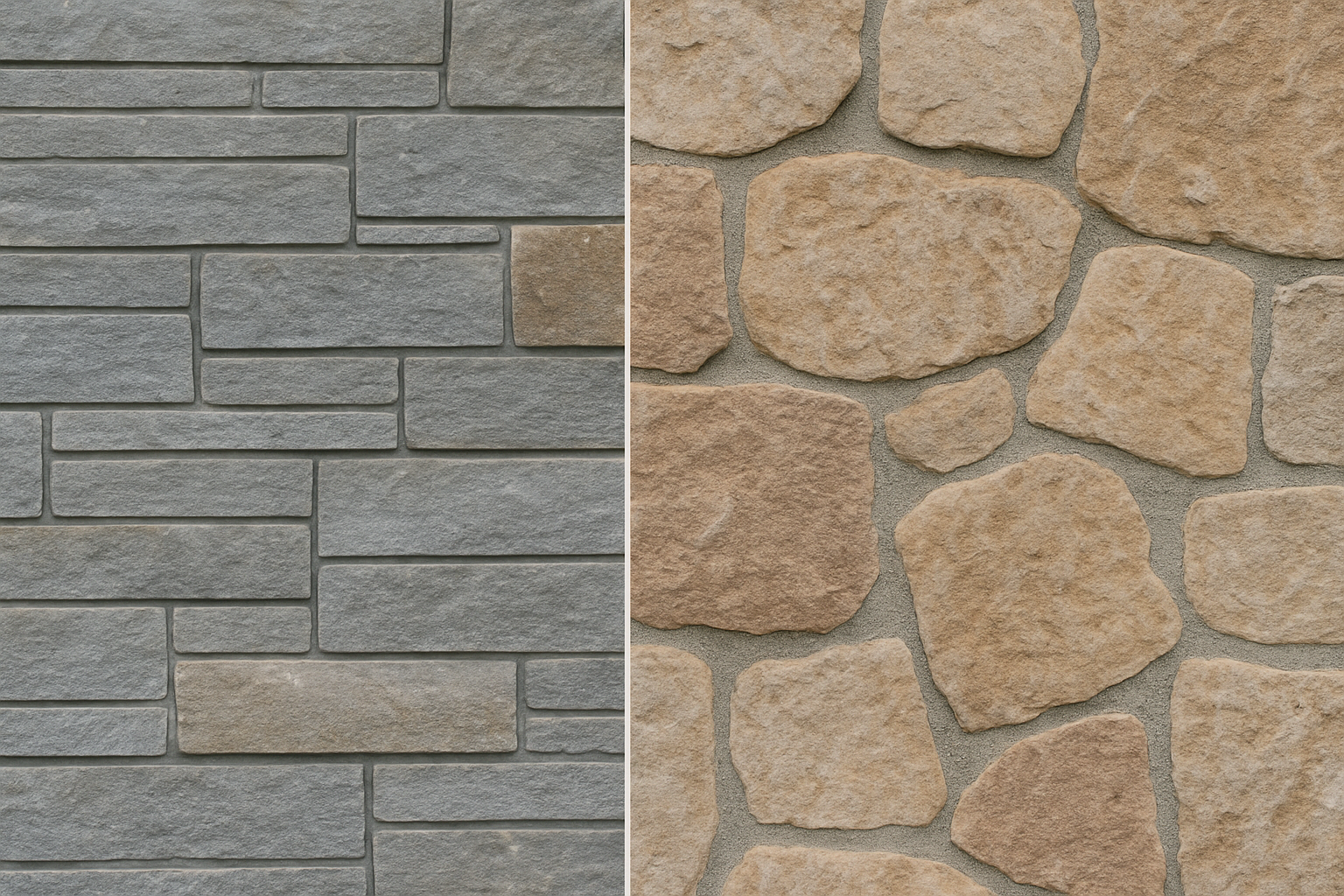
1. Aesthetic Appeal: Authenticity vs. Versatility
Natural stone offers unmatched authenticity with unique textures, veins, and color variations formed over time. However, modern stone veneers are crafted to closely replicate this look—often so convincingly that most people can’t tell the difference. Veneers also come in a wider range of colors and styles, giving designers more creative flexibility.
Summary:
- Natural Stone: True, organic beauty
- Veneer: More design options and custom finishes
2. Installation: Time, Labor, and Logistics
Natural stone is heavy, labor-intensive, and requires additional structural support, which makes installation more complicated and costly. Stone veneer, by contrast, is lighter, easier to handle, and can often be installed without professional masons or reinforced surfaces—saving time and money.
Key Considerations:
- Natural Stone: Requires skilled labor, longer installation
- Veneer: DIY-friendly, faster application, lower labor costs
3. Cost: Upfront and Long-Term Investment
Cost is often a deciding factor in interior design choices. Natural stone tends to be significantly more expensive due to material costs, shipping weight, and installation requirements. Stone veneer provides a cost-effective alternative that still delivers a high-end look.
Price Comparison:
- Natural Stone: Higher material and labor costs
- Veneer: Budget-friendly without sacrificing style
4. Durability and Maintenance
Natural stone is extremely durable and can last for generations, but it may require sealing and regular maintenance to prevent staining, especially indoors. Stone veneer is also durable, though slightly less so than solid stone. However, modern veneers are made to resist chipping, cracking, and moisture when properly installed.
Durability Breakdown:
- Natural Stone: Very durable, but higher maintenance
- Veneer: Durable enough for interiors, easier upkeep
5. Where Each Shines in Interior Design
Both materials have ideal use cases. Natural stone is best reserved for areas where durability and authenticity are critical, such as large fireplaces or high-end feature walls. Veneer shines in spaces where weight, cost, and flexibility are more important, such as backsplashes, columns, and decorative accents.
Best Applications:
- Natural Stone: Luxury living rooms, heritage homes, large feature walls
- Veneer: Bathrooms, kitchens, hallways, DIY home renovations
6. The Verdict: Style Meets Practicality
For most modern interiors, stone veneer offers the best balance of aesthetics, affordability, and practicality. However, if you’re going for timeless luxury and can manage the extra cost and weight, natural stone can deliver unmatched elegance. The choice ultimately depends on your project’s priorities—whether that’s design versatility, budget control, or long-term durability.